
Newborn Care
Newborn Checkups in Fredericksburg, Virginia

Bringing your newborn home is an exciting transition, but it can also come with plenty of questions. Is my baby eating enough? Are they gaining weight appropriately? Is this much sleeping normal? Newborn checkups allow parents to get answers while helping healthcare providers monitor a baby’s health, growth, and early development.
Newborn checkups at The Children’s Clinic of Fredericksburg provide an important foundation for your child’s ongoing pediatric care. These visits allow your baby’s healthcare provider to evaluate their health and guide you as you adjust to caring for your newborn.
What Happens During a Newborn Checkup?
Newborns change quickly during their first weeks and months of life. Regular checkups help healthcare providers follow those changes and identify concerns that may need additional attention.
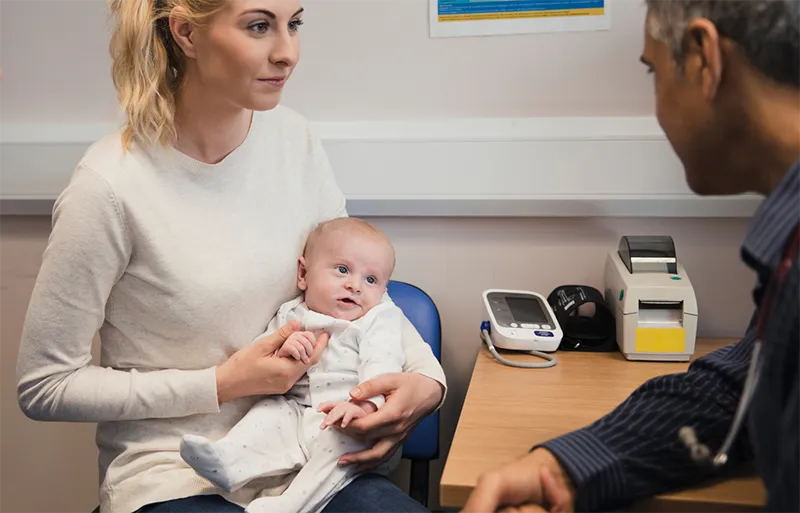
During a newborn visit, your baby’s healthcare provider may evaluate several aspects of their health and development. This can include measuring weight, length, and head circumference, as well as performing a physical examination.
Your provider may also discuss topics such as feeding, sleep, diaper patterns, development, and your baby’s behavior. These conversations are also an opportunity for parents to bring up anything they’ve noticed at home.
Because every newborn is different, your baby’s healthcare provider can offer recommendations based on their individual needs.
Monitoring Your Newborn’s Growth
Growth is an important part of newborn care. Babies typically experience weight changes after birth, so healthcare providers monitor weight and growth patterns over time.
Measurements taken during routine visits can help your provider assess how your baby is progressing. If there are concerns about weight gain, feeding, or another aspect of growth, your provider can determine whether additional evaluation or support is appropriate.
Feeding and Nutrition
Whether your baby is breastfed, formula-fed, or receives a combination, feeding is often one of the biggest topics during newborn appointments.
Parents can discuss questions about feeding frequency, hunger and fullness cues, feeding difficulties, and other concerns. Your baby’s provider can help assess how feeding is going in the context of your newborn’s overall health and growth.
Early Development and Behavior
Newborn checkups aren’t only about physical growth. Your healthcare provider can also observe aspects of your baby’s early development and discuss what you may notice as your baby becomes increasingly alert and responsive.
Parents should feel comfortable mentioning behaviors or changes that concern them. You spend the most time with your baby, so your observations can provide useful information during an appointment.
Guidance for New Parents
There’s a lot to learn during the newborn stage, and reliable pediatric guidance can make those early weeks easier to navigate. A newborn checkup gives you dedicated time to ask questions about caring for your baby.
Newborn and early pediatric visits are also a good time to discuss your baby’s vaccination schedule. Your healthcare provider can explain recommended vaccines, when they are typically given, and what to expect at upcoming visits. If you have questions or concerns about vaccines, bring them up during your appointment so you can make informed decisions about your child’s care.
Depending on your baby’s needs, conversations may include sleep, safe sleep practices, bathing, skin care, crying, diapering, feeding, and general newborn safety.
Keep a list of questions between appointments so you don’t have to remember everything once you arrive. There’s no question too small when it comes to understanding your newborn’s health.
Frequently Asked Questions About Newborn Checkups
When should my newborn have their first checkup?
Newborns typically need medical follow-up soon after leaving the hospital. The appropriate timing can depend on factors such as your baby’s health, feeding, weight, and discharge recommendations. Follow the instructions provided by your baby’s healthcare team and contact your pediatric provider if you’re unsure when to schedule the first appointment.
What should I bring to my baby’s newborn appointment?
Bring any medical or discharge information you were given, along with a list of medications or supplements your baby receives. It can also help to write down questions about feeding, sleep, diapers, behavior, or anything else you’ve noticed.
Will my newborn be weighed at the appointment?
Growth monitoring is a routine part of newborn care. Weight, length, and head circumference may be measured so your healthcare provider can follow your baby’s growth pattern over time.
Can I ask about breastfeeding or formula feeding?
Yes. Feeding is an important part of newborn health. Let your provider know about feeding patterns and any concerns, such as difficulty feeding or questions about whether your baby is getting enough to eat.
What if my newborn isn’t gaining enough weight?
If there are concerns about your baby’s weight or growth pattern, their healthcare provider can evaluate possible contributing factors and recommend appropriate next steps. Avoid making major feeding changes without discussing your concerns with a qualified healthcare professional.
Should I wait for a scheduled checkup if my newborn seems sick?
No. If you’re concerned that your newborn may be ill, contact a healthcare professional promptly rather than waiting for a routine appointment. Newborns can require timely medical evaluation when they develop signs of illness.
Start Your Baby’s Care With a Newborn Checkup
The first weeks with your baby are filled with changes, and you don’t have to figure out every question on your own. Newborn checkups provide an opportunity to monitor your baby’s health and growth while getting guidance for the weeks ahead.
Contact The Children’s Clinic of Fredericksburg to schedule your newborn’s checkup and get personalized guidance for your baby’s early care.
We are committed to offering full-service pediatric care in a family-friendly, welcoming environment.
Our Reviews


I brought my brother to The Children’s Clinic of Fredericksburg, and the experience was outstanding!

Noor A.
This level of professionalism, paired with such genuine care, is rare to find. We are so grateful!
Shoja M.
I appreciate Dr. Johnson's gentle mannerism and understanding. His outstanding bedside manners along with his many years of experience have my husband and I feeling more confident regarding the care our baby is receiving.
Sun S.
We had an outstanding experience at the Children’s Clinic of Fredericksburg with both Dr. Blake Johanson and NP Amanda. From the moment we arrived for our son’s strep test, the entire team made us feel welcomed and cared for.
Farhad M.
This office is truly exceptional! From the moment you walk in, you’re greeted by friendly staff who go above and beyond to make you feel welcome. I’ve had the pleasure of interacting with several providers here, and each one brings something unique and wonderful to the table.
Spaisalay M.
